Studying or Immigrating? BC Notarization and Authentication (Birth, Police, Education) Explained
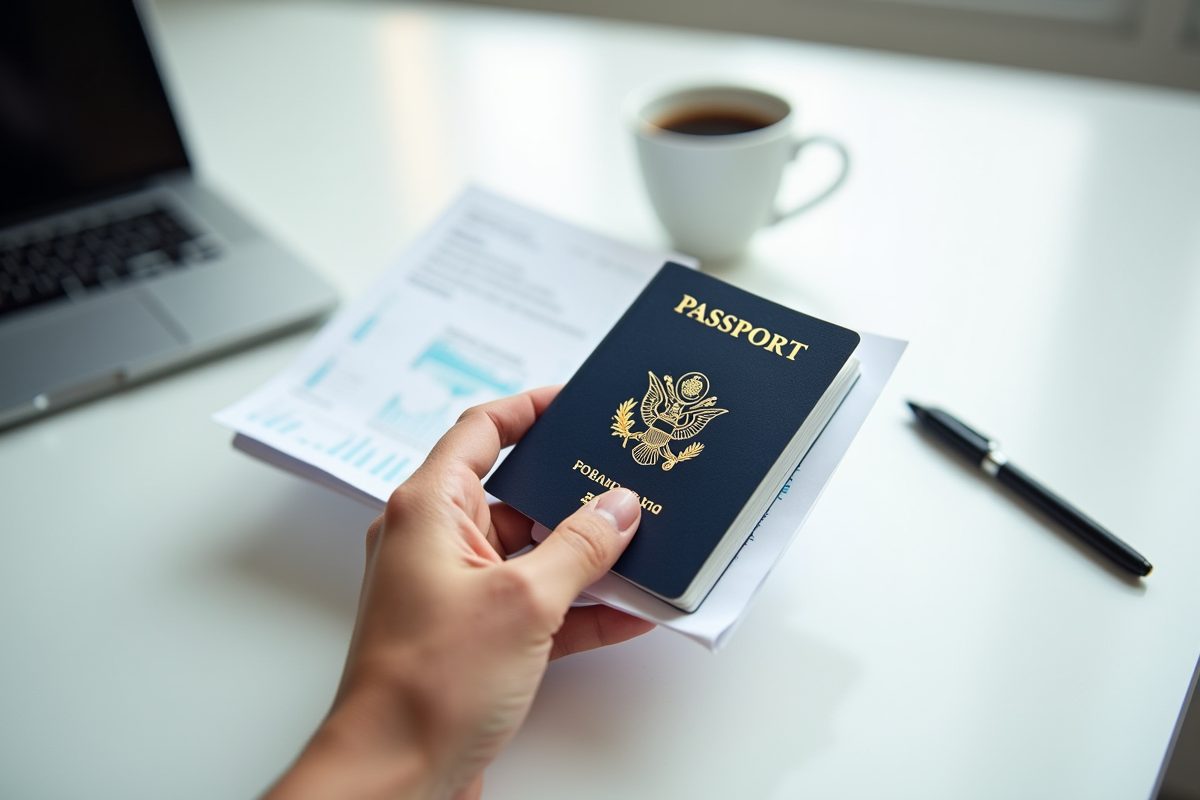
Children studying abroad, family immigration, selling a home back home, an overseas inheritance — sooner or later, Chinese families living in BC run into a requirement that "documents must be notarized and authenticated." Birth certificates, police certificates, degrees, powers of attorney — which procedure do you actually need? This article explains it all.
First, Understand Three Different Concepts
Many people lump "notarization" and "authentication" together, but they are three separate levels:
- Notarization: A BC Notary Public verifies your identity and signature and seals and signs the document, certifying that "this document is genuine and you signed it yourself."
- Apostille / Authentication: The provincial government confirms the authenticity of the notary's signature and seal. China joined the Hague Convention in November 2023, so documents destined for use in China generally now require only an Apostille — there is no longer any need to visit a consulate.
- Consular Legalization: A small number of non-Hague countries still require legalization by their consulate in Canada. Always follow the requirements of the institution that will use the document.
The Most Common Documents
- Birth Certificate Notarization: Common for immigration, children's school enrolment, and benefit applications. Bring original supporting records such as the medical birth certificate or household registry.
- Police Certificate (No Criminal Record): Essential for immigration and work permits. Note that these documents usually have an expiry period (generally 6 months) — do not obtain them too early.
- Education Credentials: For study abroad, employment, and immigration points. Bring the original graduation certificate, degree, and transcripts.
- Marital Status / Single Status Certificate: Common for overseas marriage or property purchases.
- Power of Attorney: Most commonly used when you are in BC but need to sell property, handle litigation, or manage banking matters back home. Important: Many land registries and courts in China require a fixed format for powers of attorney. Always confirm the exact wording with the receiving institution before you start, so you do not waste a trip.
- Passport Copies and Declarations: A notary can prepare a Certified True Copy, certifying that a photocopy matches the original.
Process and Timing
The usual process is: bring your ID and original documents to the notary for notarization, then send them to the provincial government for the apostille, then forward them to the institution that will use them. The whole process usually takes several weeks, so if immigration or school enrolment has a deadline, plan well ahead and leave plenty of time.
Fees
Notary fees depend on the document type and the number of copies, and the apostille carries a separate government fee. If you need multiple copies or several types of documents for the same matter, ask for a combined quote.
In Summary
Notarization and authentication look complicated, but if you follow the right sequence and prepare the right materials, it can all be done in one pass. Not sure which procedure your documents need? A quick phone call first is far better than a wasted trip.
Zheng & Hui Notaries is located in Victoria and specializes in notarization and authentication for study and immigration, with service available in Chinese. Call 604-636-8938 to book a consultation. Address: 206-920 Hillside Ave, Victoria, BC.